
Condition & Shine
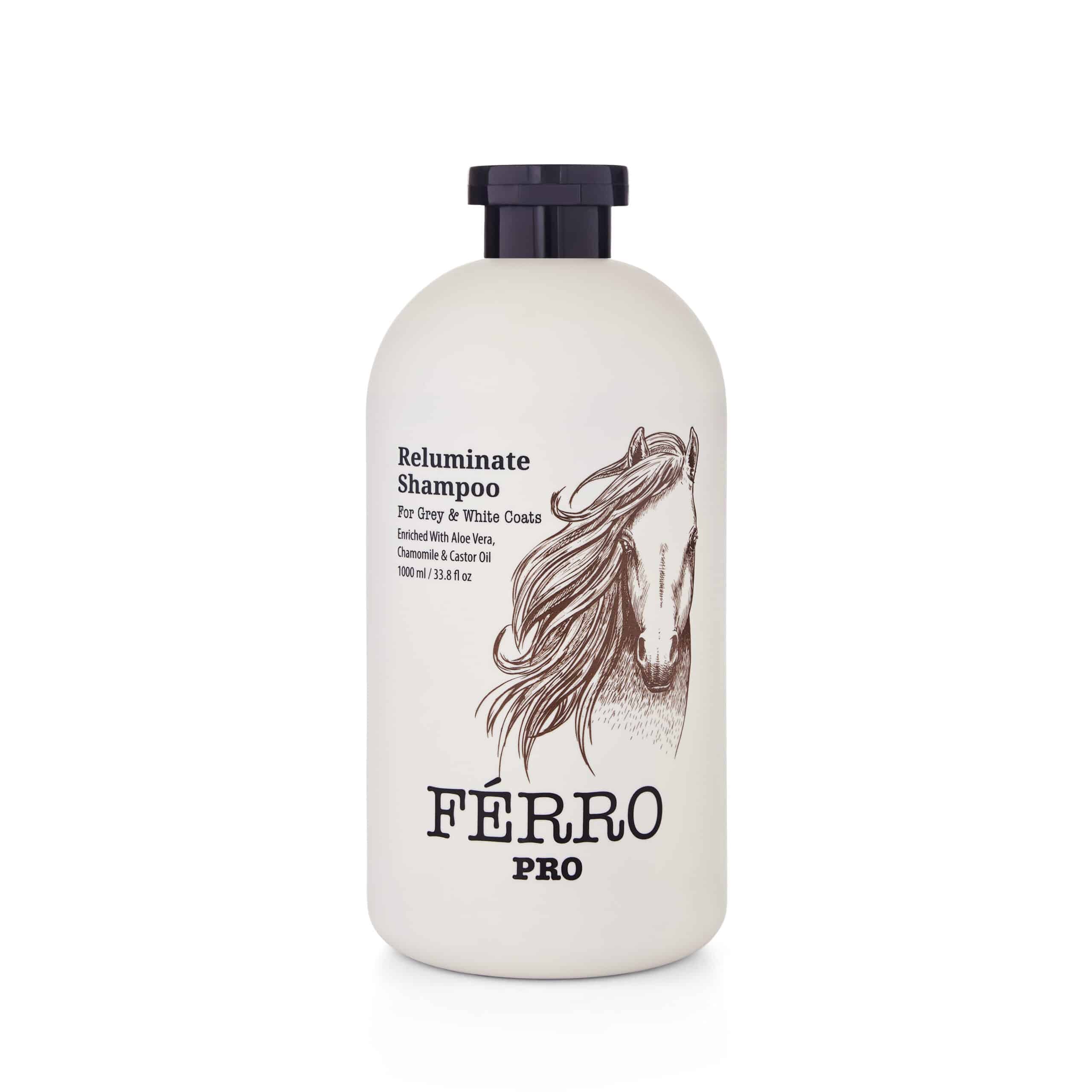
Real horse coat shine doesn't come out of a bottle — it comes off a clean, well-conditioned coat that a good leave-in finish can then set off. Skip the wash step and even the best horse shine spray just sits on top of grime, flattening out within a few hours. This collection pairs Reluminate Shampoo, which lifts dullness and staining in the wash, with Release Spray Conditioner, a leave-in that finishes the coat with shine, slip, and tangle protection. Use both as part of the same routine and you get a coat that looks good in photos and feels right under your hand, not a temporary gloss sprayed over a dirty base.
Showing all 2 results
What Actually Makes a Horse's Coat Shine
If you've ever asked how to make a horse coat shine and gotten an answer built around one product, take it with a grain of salt. Shine is layered, and most of what determines it happens before a groom ever picks up a brush.
- Diet and gut health — a dull coat often traces back to nutrition long before it's a grooming problem
- Parasite control — a heavy worm burden flattens shine no matter how often the horse gets brushed
- A clean hair shaft — dirt and sweat salt scatter light instead of reflecting it
- A light conditioning finish — seals the cuticle so light bounces off evenly
Once the horse itself is in reasonable shape, shine comes down to how clean the hair shaft is and how much light it reflects rather than scatters. A dusty paddock horse can look dull even with decent skin underneath, simply because dirt and sweat salt scatter light instead of bouncing it back. Clean the coat properly and seal it with a light conditioning layer. That's the part actually within a groom's control.
Start Clean: Brightening in the Wash with Reluminate
You can't build shine on top of a coat still carrying yesterday's stains. Reluminate Shampoo is built for that first stage — a brightening wash that lifts dulling residue and grass or urine staining a regular shampoo tends to leave behind. It's especially useful on greys and whites, where staining shows immediately and a flat, yellowed coat can read as neglect on an otherwise well-kept horse. If you're dealing with a dull, lifeless coat that doesn't respond to normal washing, Reluminate is where the fix starts, not the finishing spray.
Wash and rinse thoroughly, then let the coat dry most of the way before reaching for anything else. A brightening shampoo does its job in that wash step; it isn't meant to be layered under a leave-in. If the tail is what's dragging the whole horse down, pair the wash with our guide on whitening grey tail — tails hold onto staining longer than body coat and often need a second pass to catch up.
The Leave-In Finish: Shine and Slip with Release
Once the coat is clean and mostly dry, Release Spray Conditioner is the leave-in that does the actual shine work. It's formulated with isopropyl myristate, an ingredient that spreads thin and light across the hair shaft instead of sitting on top of it — the difference between a horse coat conditioner that looks glossy in the bottle and one that still looks natural once it's actually on the horse.
Hold the bottle about a foot away and mist it lightly over the body, then down through the mane and tail. Work it in with your hands or a soft brush. A little goes a long way — it's a finishing product, not a rinse-out conditioner, so there's no washing it back out once applied. Mane and tail get the most noticeable benefit, since that's where slip matters most for detangling.
Building Show-Day Shine Without Overdoing It
Show-day shine is really the everyday routine done a little more carefully, not a separate set of tricks. Horses that walk into the ring looking lit from within usually got there through weeks of consistent washing and conditioning, not a last-minute spray-down at the in-gate. If you're prepping for a specific class, our guide on how to get a show-ring shine walks through the timing — washing and conditioning early enough that the coat has time to settle, rather than looking freshly sprayed.
The mistake we see most often ringside is over-application right before a class. A heavy-handed pass with any horse shine spray, put on minutes before you enter, tends to look wet and greasy under arena lights instead of genuinely glossy. Apply Release the evening before or earlier that morning, let it absorb, and only do a light second pass if the coat actually needs it.
Leave-In Conditioner vs. Rinse-Out: Why Leave-In Earns Its Place
Rinse-out conditioners have their place, mostly right after a bath when the coat needs deep conditioning and there's time for it. A leave-in conditioner for horses solves a different problem — it protects and finishes the coat on all the days a horse isn't getting a full bath, which for most working horses is most days.
A quick spray-and-brush with Release keeps a freshly conditioned coat from dulling back down between full washes, and buffers against the dry, brittle hair that repeated washing without conditioning tends to cause.
- Keeps dust from grinding straight into a freshly conditioned coat
- Refreshes shine between full washes without another bath
- Buffers against dry, brittle hair caused by washing without conditioning
When to Reach for Each One
- After a full bath, while the coat is still damp — this is rinse-out conditioner territory if you use one
- Between baths, on a coat that's clean but starting to look flat — this is where a leave-in spray earns its keep
- Before turnout in dusty conditions — a light leave-in layer helps keep dust from grinding into the hair shaft
Detangling Is Part of the Shine Routine
Shine and tangles work against each other. A mane or tail full of knots breaks hair when it's brushed out, and broken, split ends catch light unevenly no matter how conditioned the rest of the coat is. That's why Release doubles as a spray conditioner and detangler — the same slip that makes the coat glossy lets a brush glide through mane and tail without snapping hair.
If tail health is an ongoing issue rather than an occasional snarl, it's worth reading through how to detangle a horse tail without breakage for the brushing technique itself — the product only does half the job. Working from the ends upward, in small sections, matters just as much as what gets sprayed on first.
Shine Without the Silicone Build-Up — and How Often to Condition
A lot of shine sprays lean on heavy silicone loads that look great after one application and then build up with repeated use, leaving a dulling film that eventually needs a clarifying shampoo just to strip back off. That cycle is part of why some coats seem to need heavier applications over time for the same result.
Because Release relies on isopropyl myristate rather than heavy silicones, it's meant for regular, light use rather than one heavy coat you eventually have to wash back out. As a general routine:
- Condition lightly after most baths, once the coat is mostly dry
- Touch up mane and tail every few days, depending on turnout and workload
- Use Reluminate as the regular wash whenever the coat needs an actual brightening reset, not just a quick top-up
Frequently asked questions
What actually makes a horse's coat shine?
A shiny coat comes from horse health, a genuinely clean hair shaft, and a light conditioning finish on top, not any single shine spray. Diet and parasite control affect it as much as grooming does, and a good wash-and-condition routine handles the part a groom can actually control.
Is a leave-in conditioner for horses safe to use every day?
Yes, that's how Release Spray Conditioner is meant to be used — light, frequent applications rather than one heavy coat. Just keep it off the saddle and girth area, since it reduces friction under tack.
Will horse shine spray cause a greasy build-up over time?
Heavy-silicone sprays can, which is why they sometimes need a clarifying shampoo to strip back off. Release uses isopropyl myristate instead, formulated for regular use without that build-up.
What's the difference between Reluminate Shampoo and Release Spray Conditioner?
Reluminate is a brightening shampoo used in the wash to lift dullness and staining, especially on greys and whites. Release is a leave-in spray conditioner and detangler applied afterward to finish the coat with shine and slip.
How often should I condition my horse's coat for the best shine?
Most horses do well with a light leave-in application after most baths, plus a touch-up on mane and tail every few days depending on workload and turnout. Reluminate can be used at each full wash whenever the coat needs an actual brightening reset.
Can I use shine spray under the saddle?
It's best avoided. Leave-in conditioners reduce friction, which isn't what you want at the contact points, so keep Release off the saddle and girth area or wipe those spots down before tacking up.